
Solar Panels for Home
Solar panels are used to power everything from calculators to sports stadiums to satellites — and they can just as easily be used to power a home.
You don't need to be a rocket scientist – or anything close to it – to get solar panels for your home. Today, going solar is a routine home improvement project that comes with the benefits of energy cost savings, reduced emissions, and increased home value.
In this article, we'll cover everything you should know about getting solar panels for your home so you can make informed decisions as you navigate the process.
Topics in this article:
Let's dive in by exploring how solar panels work for your home and why people go solar.
How do solar panels work on a house?
Before you start slapping panels on your roof, it’s natural to wonder how solar energy works.
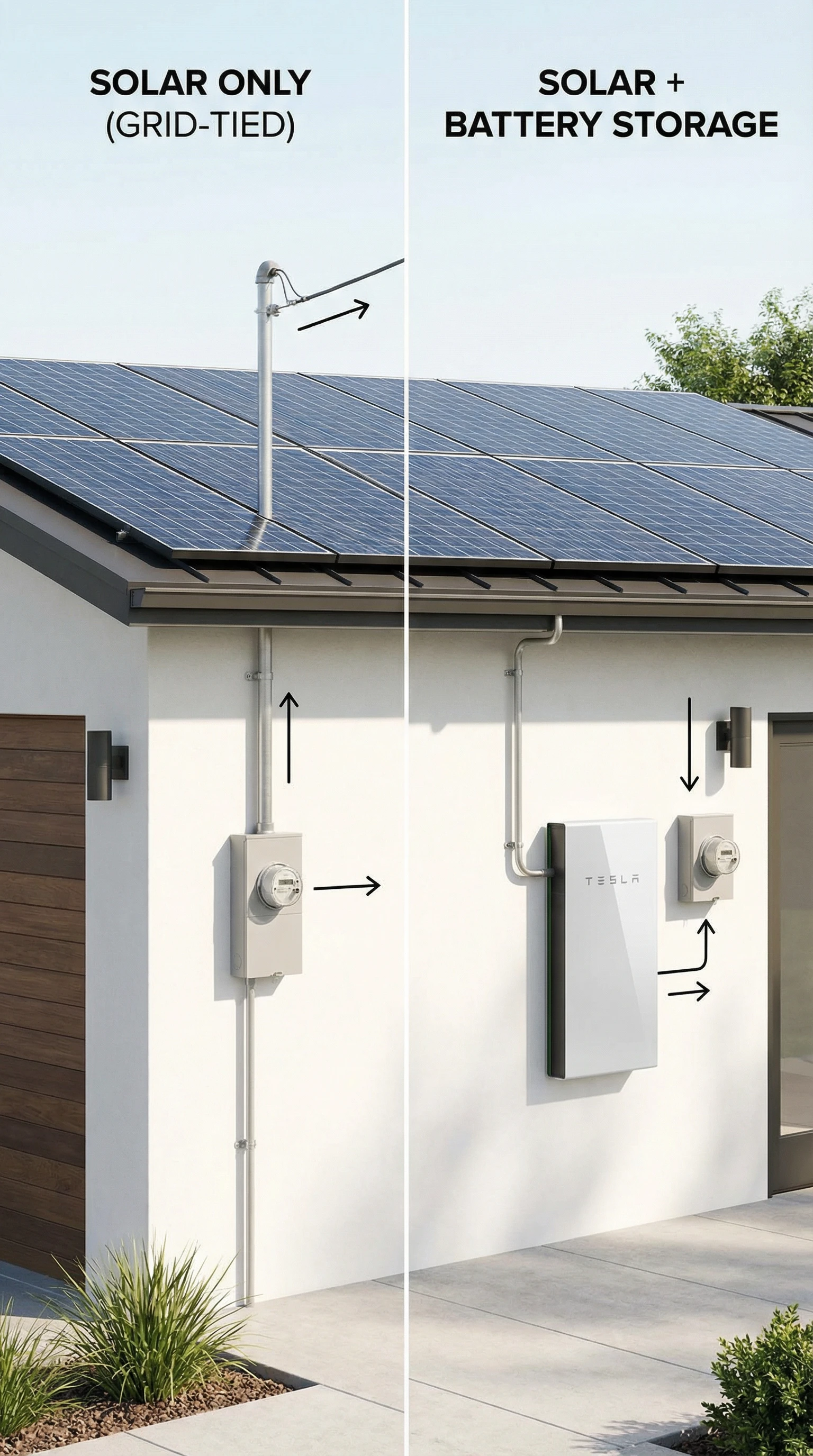
Solar panels work through the photovoltaic (PV) effect. When sunlight hits the panels, it creates an electric current that is first used to power electrical systems in your home. If your panels are producing more electricity than your home is using, the excess is stored in a battery and/or pushed onto the local energy grid to power your neighbors’ homes.
Related reading: 10 Questions To Ask Yourself Before Going Solar
What about when the sun isn’t shining?
When the panels aren’t producing, you can draw power from battery storage and/or from the local electricity grid.
Most states and utilities have net metering billing options that allow solar owners to offset the cost of the electricity they pull from the grid with credit they earn by pushing excess solar electricity onto the grid. There are also benefits to having your own battery storage, such as energy independence, backup power when the grid goes down, and load shifting to avoid expensive time-of-use rates.
What should I know about solar panel maintenance?
Maintaining solar panels boils down to three main tasks:
- Monitor your system performance with a mobile app to ensure your panels are generating electricity as expected.
- Call your installer for maintenance if your system is not performing as expected. Most issues are covered by product, performance, or workmanship warranties.
- Clean your panels if they are visibly dusty or covered with an obstruction (leaves, branches, etc.).
For the most part, maintaining solar panels is a hands-off task for homeowners. However, if you live in an arid climate, a periodic cleaning can improve performance and enhance your investment.
Solar Installation Process & Timeline
Understanding the solar installation process helps you know what to expect from initial consultation to system activation. The typical residential solar installation takes 1-3 months from start to finish, though most of that time is spent on paperwork and permitting—the actual installation usually takes just 1-3 days.
Step 1: Initial Consultation & Site Assessment (Week 1)
Your solar journey begins with a comprehensive evaluation of your property and energy needs.
What Happens:
- Review of 12 months of electricity bills
- Roof inspection (condition, angle, orientation, shading)
- Site survey using satellite imagery or physical visit
- Electrical panel assessment
- Discussion of energy goals and budget
- Custom system design and proposal
Step 2: System Design & Contract (Week 2)
Once you approve the initial proposal, the installer creates detailed engineering plans.
What You'll Receive:
- ✓ Final system design with panel layout
- ✓ Equipment specifications (panels, inverters, monitoring)
- ✓ Production estimates and savings projections
- ✓ Financing options and incentive calculations
- ✓ Warranties and performance guarantees
- ✓ Installation contract
Step 3: Permits & Approvals (Weeks 3-6)
This is the longest phase, but your installer handles all paperwork. Timeline varies by jurisdiction.
Building Permits
- • Structural engineering review
- • Electrical system plans
- • Local building code compliance
- • HOA approval (if applicable)
Utility Interconnection
- • Grid connection application
- • Net metering agreement
- • Utility review and approval
- • Bi-directional meter installation
Step 4: Installation Day (1-3 Days)
The most exciting phase! A professional crew transforms your roof into a clean energy generator.
Day-by-Day Breakdown:
Day 1: Preparation & Mounting
- • Set up safety equipment and scaffolding
- • Install mounting rails and attachments
- • Run electrical conduit from roof to panel
Day 2: Panel Installation
- • Mount solar panels on racking system
- • Wire panels together in strings
- • Install inverter(s) and disconnect switches
Day 3: Electrical & Testing
- • Connect system to electrical panel
- • Install monitoring equipment
- • System testing and quality checks
- • Clean up and final walkthrough
Step 5: Inspection & Permission to Operate (Weeks 7-8)
Before your system can go live, it must pass inspections and receive utility approval.
Final Steps:
- ✓ Local building inspection (electrical and structural)
- ✓ Utility final inspection
- ✓ Permission to Operate (PTO) granted
- ✓ System activation and monitoring setup
- ✓ Homeowner training on system operation
Step 6: System Activation & Monitoring
Once you receive PTO, your installer flips the switch and your system begins generating clean energy! You'll receive:
- Access to online monitoring portal or mobile app
- Real-time production and consumption data
- System performance alerts
- Documentation for incentive applications
- Warranty information and support contacts
Total Timeline Summary
1-3 Months
From initial consultation to activated system
(Actual roof installation: 1-3 days)
How to Size Your Solar System Correctly
Proper system sizing is crucial for maximizing your solar investment. Too small and you won't offset enough of your bill; too large and you're paying for capacity you don't need. Here's how to determine the perfect system size for your home.
Understanding Kilowatts (kW) vs. Kilowatt-Hours (kWh)
kW (Kilowatts)
System capacity - how much power it can generate at peak conditions
Example: "6 kW system"
kWh (Kilowatt-Hours)
Energy consumption - what you use monthly/annually
Example: "900 kWh/month"
Step-by-Step Sizing Calculation
Example Calculation:
1. Find Your Annual Energy Usage
Review 12 months of electric bills
Example: 10,800 kWh per year (900 kWh/month average)
2. Determine Your Solar Goals
What percentage do you want to offset?
Common targets: 80-100% offset
Example: 100% = 10,800 kWh needed from solar
3. Calculate Production Ratio
Varies by location (1.3-1.8 typical)
California: 1.5 | Arizona: 1.7 | New York: 1.2
Example using 1.4: Each kW produces ~1,400 kWh/year
4. System Size Formula
Required System Size (kW) = Annual Usage ÷ Production Ratio
10,800 kWh ÷ 1,400 = 7.7 kW system
Common Residential System Sizes
| System Size | Panel Count | Annual Production | Best For |
|---|---|---|---|
| 4 kW | 10-13 panels | 5,600 kWh | Small homes, 1-2 people |
| 6 kW | 15-20 panels | 8,400 kWh | Medium homes, 2-3 people |
| 8 kW | 20-26 panels | 11,200 kWh | Large homes, 3-4 people |
| 10 kW | 25-33 panels | 14,000 kWh | Very large homes, 4+ people |
Factors That Affect System Size
Increase System Size If:
- ✓ Planning to buy an electric vehicle
- ✓ Adding a pool or hot tub
- ✓ Switching from gas to electric heating
- ✓ Home office with high equipment needs
- ✓ Anticipating family growth
Consider Smaller Size If:
- ✓ Planning energy efficiency upgrades
- ✓ Roof space is limited
- ✓ Budget constraints present
- ✓ Shading reduces usable roof area
- ✓ Net metering has low compensation
Pro Tip: Most installers recommend sizing systems to cover 80-100% of your annual usage rather than 100% because excess production may not be compensated fairly in all areas. Additionally, leaving a small utility connection fee is often unavoidable and ensures grid access when needed.
Energy cost savings
There are a handful of reasons to get solar panels for your home, but the biggest one is energy cost savings. Home solar is simply much cheaper than paying for grid electricity, and can lead to tens – sometimes hundreds – of thousands in savings over the warranty period of the panels.
That’s because going solar locks in your electricity costs for 25 years from what your system produces while the price of grid electricity continues to rise.
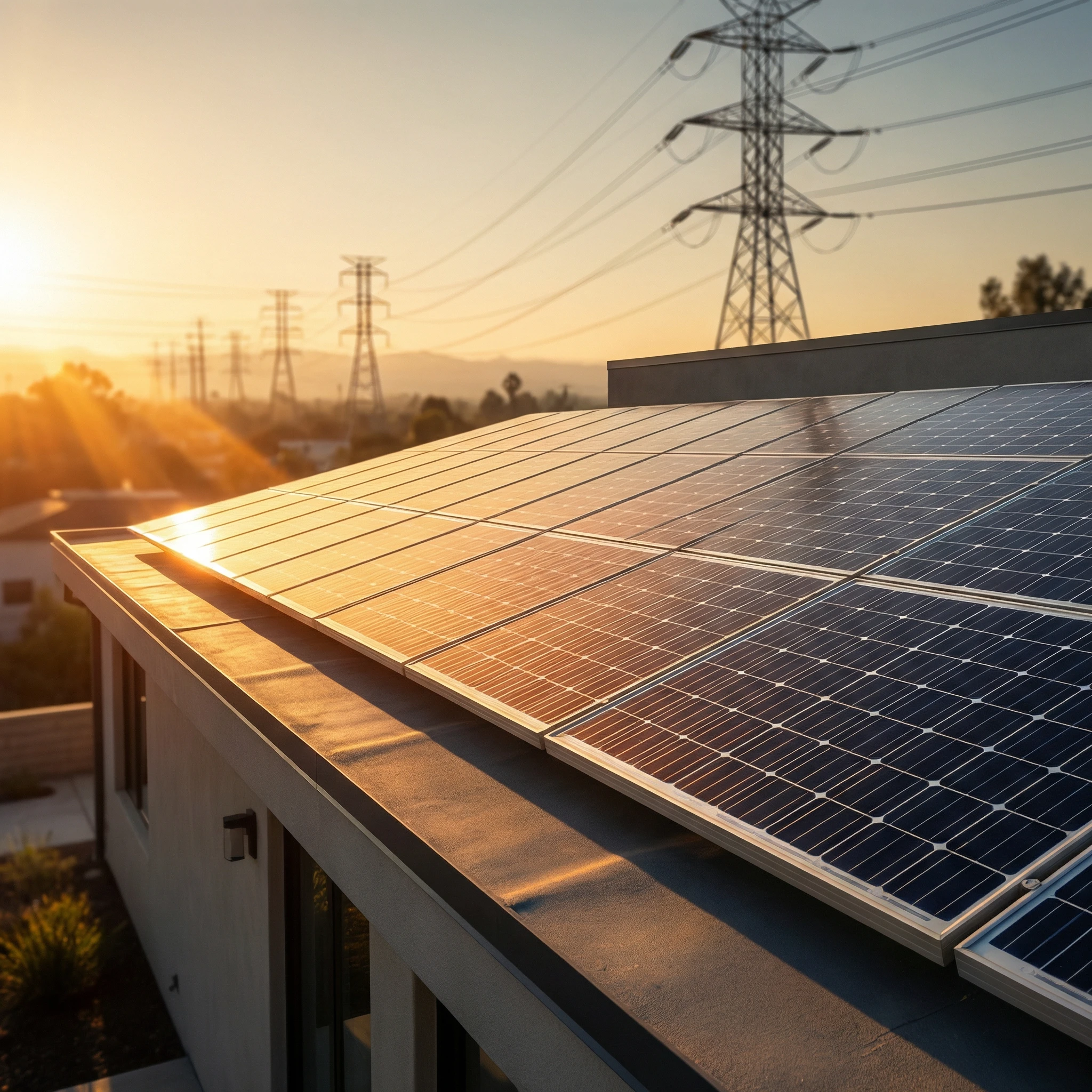
One way to think of home solar is buying 25 years’ worth of electricity in bulk at a deep discount instead of paying the full retail price as it rises and rises over 25 years.
Many homeowners think about going solar like locking in the price of gas for their car. If you could time travel back to when you first got your driver’s license and someone offered to sell you 10 gallons of gas every week at the same price year after year, would you take it? Of course! It would be one of the smartest investments you’d ever make.
Today, this analogy is even more appropriate as more homeowners convert to electric vehicles. In fact, you can lock in a low, flat rate for the electricity powering your EV by installing solar panels to charge your car at home.
Environmental benefits
The second reason – and the one most people attribute to solar panels – is the environmental benefits.
The lifecycle carbon emissions of solar panels is about 12 times less than natural gas and 20 times less than coal. Going solar is one of the most powerful things homeowners can do to lower their carbon footprint, clean up local air pollution, and contribute to the clean energy transition.
Lifecycle CO2-equivalent emissions (g/kWh)
rooftop
onshore
And rooftop solar is unique in that it requires zero additional land use to produce electricity.
Increased home value
Speaking of putting wasted space to good use, installing solar panels also raises your home value.
Studies by Zillow and the Berkeley Lab both found that homes with solar panels sell for more money than comparable homes without them. Better yet, over 30 states have property tax exemptions for the value that solar adds to the home.
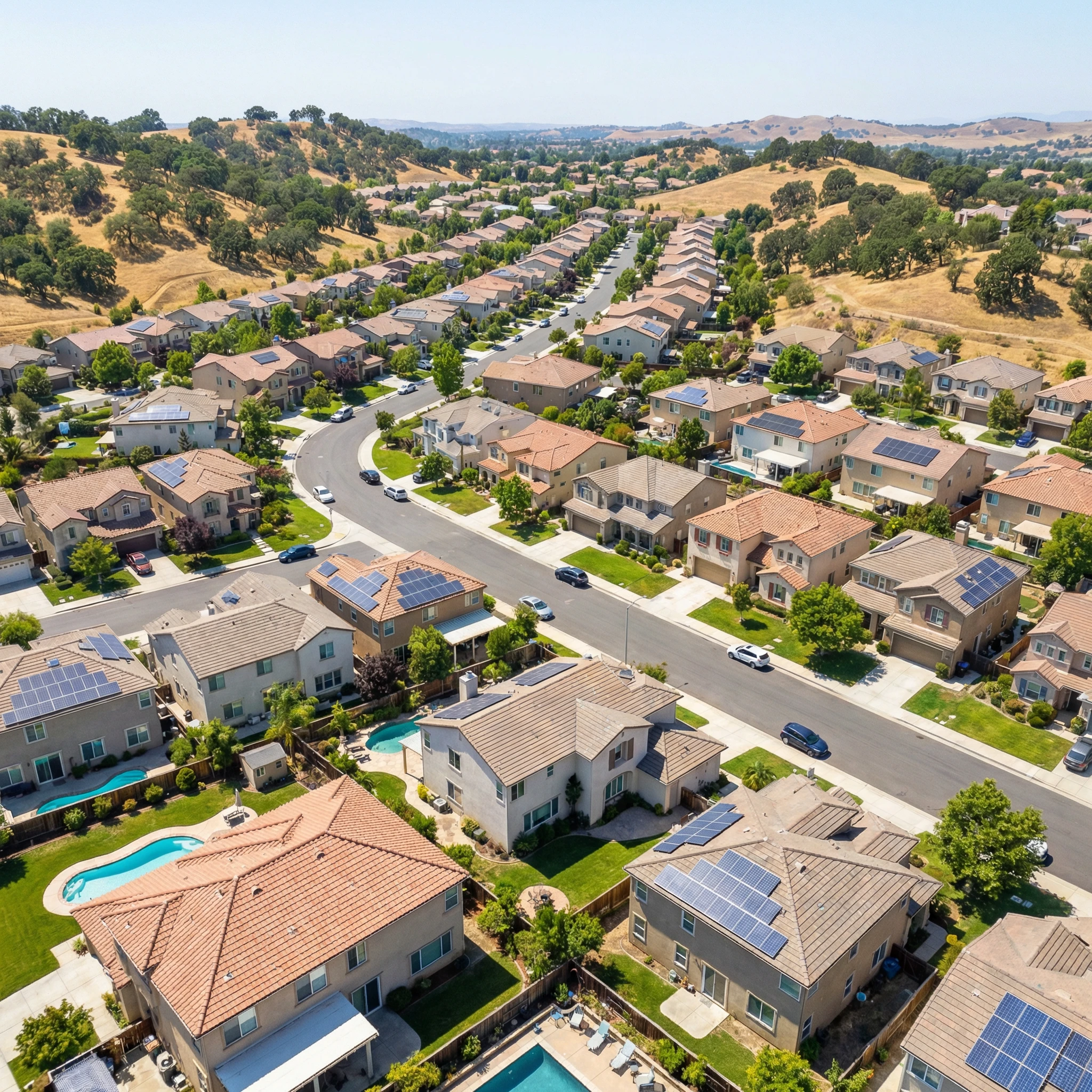
*Data from DSIRE. Certified exemption status varies.
So, going solar adds value to your home that you don’t have to pay taxes on and that can help you recover the cost of the system in a home sale.
| BID NUMBER | GROSS COST | SIZE OF SYSTEM (W) | PRICE POWER WATT |
|---|---|---|---|
| 1 | $20,000 | 5,000 | $4.00 per Watt |
| 2 | $22,000 | 5,400 | $4.07 per Watt |
| 3 | $23,000 | 5,800 | $3.96 per Watt |
| MONOCRYSTALLINE | POLYCRYSTALLINE |
|---|---|
| Uniform black color | Speckled Blue Color |
| Higher efficiency | Lower efficiency |
| Ideal for limited space (roofs) | Suitable for large spaces (commercial solar farms) |
| More durable, longer lifespan | Less durable |
| More expensive than poly | Less expensive than mono |
See how much solar panels cost in your area.
Related Articles
See how much solar panels cost in your area.
Zero Upfront Cost. Best Price Guaranteed.
Topics
Best Solar Panels for Homes in 2026
Trying to determine the best solar panels for your home is like trying to determine the best car – there’s no single correct answer. Everybody...
Learn More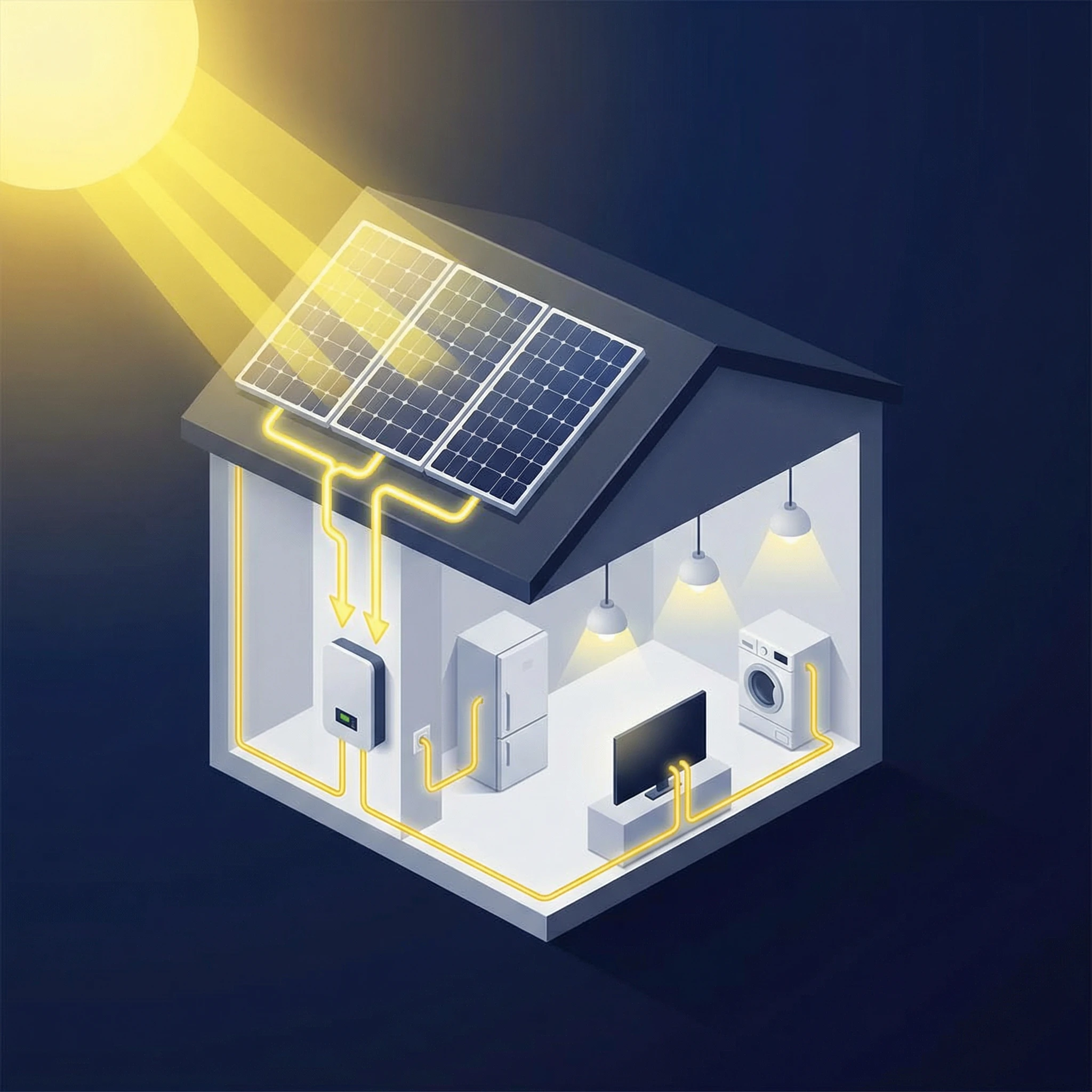
How Does Solar Power Work on a House? Your Questions Answered
How does solar power work? A simple explanation is that solar panels convert sunlight into electricity that can be used immediately or stored in batteries....
Learn More