Solar Energy Pros and Cons
Considering solar energy for your home? It's essential to weigh both the advantages and disadvantages before making this significant investment.
While solar energy offers compelling benefits like reduced electricity bills and environmental impact, it's important to understand potential drawbacks such as upfront costs and weather dependency.
This comprehensive guide provides an honest analysis of solar energy to help you make an informed decision.
Topics in this article:
Let's examine the pros and cons of solar energy in detail.
Lower Your Electric Bill
The most immediate and tangible benefit of solar energy is the dramatic reduction in your monthly electricity costs. Once your solar panels are installed, they generate free electricity from sunlight, offsetting the amount you need to purchase from your utility company.
Average Monthly Savings
Homeowners typically save between $100-$200 per month on electricity bills, depending on system size, location, and energy consumption. Over a 25-year period, this translates to:
- •Year 1-5: $6,000 - $12,000 in total savings
- •Year 10: $12,000 - $24,000 cumulative savings
- •Year 20: $24,000 - $48,000 in lifetime savings
- •Year 25: $30,000 - $60,000+ total savings over system life
Protection Against Rising Energy Costs
Electricity rates have increased by an average of 3-5% annually over the past decade. With solar panels, you lock in your energy costs and protect yourself from future utility rate hikes. While your neighbors see their bills climb year after year, your solar system continues producing free electricity.
Net Metering Benefits
Most states offer net metering programs that allow you to earn credits when your solar panels produce more electricity than you use. These credits roll over to offset your usage during cloudy days or nighttime hours, further reducing your electric bill to near-zero in many cases.
Pro Tip: To maximize your savings, consider pairing solar panels with energy-efficient appliances and LED lighting. This combination can reduce your overall energy consumption by up to 50%, making your solar system even more cost-effective.
Increase Your Home Property Value
Installing solar panels is one of the few home improvements that pays for itself while simultaneously increasing your property value. Multiple studies show that homes with solar panels sell for significantly more than comparable homes without solar.
Proven Value Increases
Research from leading real estate and energy organizations demonstrates consistent property value premiums for solar-equipped homes:
Zillow Study
4.1%
Average home value increase for solar-equipped properties
Lawrence Berkeley Lab
$15,000
Average price premium for solar homes
Faster Home Sales
Solar panels don't just increase your home's value—they also help it sell faster. Homes with solar panels spend less time on the market because buyers are actively seeking energy-efficient properties with lower operating costs.
- Solar homes sell 20% faster on average than non-solar homes
- Millennials and eco-conscious buyers specifically search for solar-equipped properties
- Lower utility bills are a major selling point that appeals to all buyer demographics
- Solar systems transfer to new owners, providing immediate value
Return on Investment
The property value increase from solar installation typically exceeds the net cost of the system after incentives. For example:
Example Calculation:
- • System cost: $25,000
- • State Incentives & Rebates: -$2,500
- • Net cost: $17,500
- • Home value increase: $20,000 - $25,000
- • Net gain: $2,500 - $7,500
Plus, you keep all the electricity savings during the years you own the home—making solar one of the smartest investments you can make in your property.
Gain Energy Independence
Energy independence means taking control of your power supply and reducing reliance on the traditional electric grid. With solar panels—especially when paired with battery storage—you gain the freedom to generate, store, and use your own clean energy.
Protection From Grid Outages
Power outages are becoming more frequent due to aging infrastructure, extreme weather events, and increasing energy demand. When paired with battery storage, solar panels provide backup power that keeps your home running during blackouts.
What You Can Power During an Outage:
Essential Systems:
- ✓ Refrigerator and freezer
- ✓ Medical equipment
- ✓ Internet and communications
- ✓ Security systems
Comfort Items:
- ✓ Lights throughout the home
- ✓ HVAC systems
- ✓ Water heater
- ✓ Phone and device charging
Freedom From Utility Rate Hikes
Once you install solar panels, you're no longer at the mercy of fluctuating utility rates. Your electricity costs become predictable and stable, protected from:
- Annual rate increases (averaging 3-5% per year)
- Peak demand charges during hot summer months
- Time-of-use pricing that penalizes evening electricity usage
- Supply chain disruptions affecting fuel costs
Self-Sufficiency and Resilience
Energy independence isn't just about saving money—it's about peace of mind. You're less vulnerable to:
Grid Failures
Keep power flowing during blackouts and brownouts
Energy Crises
Insulated from fossil fuel price volatility
Natural Disasters
Maintain critical power when you need it most
Note: While grid-tied solar systems without batteries will shut down during power outages (for safety reasons), adding battery storage gives you true energy independence with 24/7 backup power capabilities.
How Solar Benefits the Environment
Solar energy is one of the cleanest power sources available, producing zero emissions during operation. By switching to solar, you're not just saving money—you're actively contributing to a healthier planet for future generations.
Carbon Footprint Reduction
The average residential solar system offsets approximately 100 tons of CO2 over its 25-30 year lifespan. To put this in perspective:
Your solar system's environmental impact equals:
- 🌳 Planting 2,500 trees
- 🚗 Not driving 250,000 miles
- ♻️ Recycling 50 tons of waste
Annual reductions from a 6kW system:
- ⚡ 10,000 kWh clean energy generated
- ☁️ 4 tons of CO2 prevented
- 🌍 8,000 lbs coal burning avoided
Reducing Air and Water Pollution
Traditional electricity generation from fossil fuels releases harmful pollutants into our air and water. Solar energy eliminates these emissions entirely:
- No sulfur dioxide (SO2) – which causes acid rain and respiratory problems
- No nitrogen oxides (NOx) – contributors to smog and respiratory issues
- No mercury emissions – which contaminate waterways and harm wildlife
- No water consumption – coal and nuclear plants use billions of gallons yearly
Combating Climate Change
Solar energy is a critical tool in fighting climate change. Every kilowatt-hour of solar electricity generated reduces the need for fossil fuel power plants, directly decreasing greenhouse gas emissions.
100%
Renewable Energy Source
Unlike finite fossil fuels, sunlight is abundant and will never run out
Minimal Environmental Impact
Solar panels have one of the lowest environmental impacts of any energy source:
- ✓Energy payback time: 1-4 years (then 20+ years of clean energy)
- ✓Recyclable materials: 90%+ of panel components can be recycled
- ✓Silent operation: No noise pollution unlike generators
- ✓Rooftop installation: No additional land use required
By choosing solar, you're making a powerful statement that you care about the environment and are willing to take action. Your decision creates a ripple effect, inspiring neighbors and community members to consider clean energy for their homes too.
Disadvantages of Solar Energy
While solar energy offers tremendous benefits, it's important to understand the potential drawbacks before making your decision. Here's an honest look at the challenges you may face with solar installation.
1. High Upfront Costs
The initial investment for solar panels remains substantial, typically ranging from $15,000 to $30,000 for a residential system before incentives.
Mitigation Strategies:
- ✓ State and utility incentives reduce net system cost
- ✓ State rebates and local incentives available
- ✓ Solar loans with $0 down payment options
- ✓ Solar leases and PPAs require no upfront investment
2. Weather Dependent Energy Production
Solar panels generate less electricity on cloudy days and produce no power at night. This variability can be challenging in regions with frequent overcast weather.
Solutions:
- ✓ Net metering credits from excess production offset nighttime use
- ✓ Battery storage stores surplus energy for later use
- ✓ Modern panels work efficiently even in diffuse light conditions
- ✓ Grid connection ensures continuous power supply
3. Space Requirements
Solar panels require significant roof space—typically 300-400 square feet for a 6kW system. Homes with small roofs, excessive shading, or structural issues may not be suitable.
Alternatives:
- ✓ Ground-mounted systems if you have yard space
- ✓ Community solar programs for renters or unsuitable roofs
- ✓ High-efficiency panels that generate more power per square foot
- ✓ Carport or pergola-mounted solar installations
4. Roof Condition and Age
If your roof needs replacement soon, you'll need to do that before installing solar panels. Removing and reinstalling panels for roof work later is expensive.
Best Practices:
- ✓ Get a professional roof inspection before solar installation
- ✓ Replace aging roofs first (should have 15+ years remaining)
- ✓ Bundle roof replacement with solar installation for cost savings
- ✓ Some installers offer roof repair/replacement services
5. Moving Challenges
If you plan to move within a few years, you might not recoup your solar investment. While solar increases home value, the premium may not fully offset the installation cost in the short term.
Considerations:
- ✓ Solar homes sell 20% faster and for premium prices
- ✓ Transferable solar leases stay with the property
- ✓ Full ownership systems significantly boost home value
- ✓ Some installers offer system transfer options
6. Manufacturing and Disposal Impacts
While solar panels produce clean energy, their manufacturing requires energy and resources. Additionally, panel disposal at end-of-life needs careful consideration.
Industry Progress:
- ✓ Energy payback time: 1-4 years (then 20+ years of clean energy)
- ✓ 90%+ of panel materials are recyclable
- ✓ Manufacturers increasingly using renewable energy
- ✓ Extended Producer Responsibility programs emerging
Bottom Line: While these disadvantages are real, most can be mitigated through proper planning, financing options, and working with experienced installers. For most homeowners, the long-term benefits of solar far outweigh these short-term challenges.
Solar Panel Scams: How to Protect Yourself
As solar energy gains popularity, unfortunately so do scams targeting homeowners. While the vast majority of solar companies are legitimate, it's crucial to know the warning signs of fraudulent operators and predatory sales tactics.
⚠️ Common Solar Scams to Watch For
Don't become a victim. Learn to recognize these red flags before signing any solar contract.
1. "Free Solar Panels" Schemes
The Scam: Companies promise "completely free" solar installations, hiding the fact that you're actually signing a lease or power purchase agreement (PPA) with long-term financial obligations.
🚩 Red Flags:
- • Pushy sales tactics and "limited time" offers
- • Pressure to sign immediately without review time
- • Vague or misleading contract language
- • No mention of monthly payments or lease terms
Reality Check: Solar leases and PPAs are legitimate options, but they're not "free." Reputable companies clearly explain all terms, costs, and obligations upfront.
2. Fake Government Program Scams
The Scam: Scammers claim to represent government programs offering special solar rebates or claiming homeowners "qualify" for exclusive deals due to new legislation.
🚩 Red Flags:
- • Claims of "government-sponsored" or "Obama solar program"
- • Statements that you've been "pre-selected" or "specially chosen"
- • Requests for upfront payment to "secure" rebates
- • Pressure to act before "funding runs out"
Reality Check: Solar incentives are claimed through proper government channels—no company can get them "for you" or require upfront payment to secure them. Always verify incentive claims directly with your state program.
3. Inflated Savings Promises
The Scam: Companies guarantee unrealistic savings like "eliminate 100% of your electric bill" or promise specific dollar amounts without analyzing your actual usage and roof conditions.
🚩 Red Flags:
- • Savings guarantees without reviewing your electric bills
- • No site assessment or shading analysis
- • Promises that sound too good to be true
- • Failure to explain how savings are calculated
Reality Check: Legitimate companies base savings estimates on your actual electricity usage, local utility rates, roof characteristics, and system performance projections.
4. Unlicensed or Inexperienced Installers
The Scam: Companies without proper licensing, insurance, or experience offer suspiciously low prices, then perform substandard installations or disappear entirely.
🚩 Red Flags:
- • Cannot provide license or insurance proof
- • No physical business address or local office
- • Few or no verifiable customer reviews
- • Unwilling to provide references
How to Protect Yourself
✓ Due Diligence Checklist:
- ✓ Verify licensing: Check state contractor licensing boards
- ✓ Research reviews: Look for BBB ratings and Google reviews
- ✓ Get multiple quotes: Compare at least 3-5 installers
- ✓ Read contracts carefully: Never sign without understanding all terms
- ✓ Consult an attorney: For complex contracts or if unsure
- ✓ Verify warranties: Ensure product and workmanship coverage
- ✓ Check certifications: Look for NABCEP-certified installers
- ✓ Trust your instincts: If it feels wrong, walk away
Remember: Reputable solar companies will never pressure you to sign immediately, will provide detailed written proposals, answer all your questions, and give you time to review contracts with family or advisors. If you suspect a scam, report it to the Federal Trade Commission (FTC) and your state Attorney General.
Time-of-Use Rates (TOU): How Solar Helps You Save More
Time-of-Use (TOU) pricing is a utility billing structure that charges different rates for electricity depending on when you use it. Understanding how TOU rates work—and how solar panels help you avoid peak charges—is crucial for maximizing your savings.
What Are Time-of-Use Rates?
Instead of charging a flat rate per kilowatt-hour, utilities with TOU pricing charge more during "peak" hours when electricity demand is highest, and less during "off-peak" hours when demand is low.
Peak Hours
$0.45-$0.60/kWh
Typical: 4 PM - 9 PM
Highest demand period when most people are home
Mid-Peak Hours
$0.25-$0.35/kWh
Typical: 10 AM - 4 PM
Moderate demand during work hours
Off-Peak Hours
$0.15-$0.20/kWh
Typical: 9 PM - 10 AM
Lowest demand during overnight hours
How Solar Combats TOU Charges
Solar panels are particularly valuable under TOU rate structures because they generate the most electricity during peak and mid-peak hours when sunlight is strongest—exactly when electricity is most expensive.
Solar Production Timeline:
Maximize TOU Savings with Battery Storage
Adding battery storage to your solar system takes TOU optimization to the next level. You can:
- Store midday solar energy when rates are moderate
- Discharge batteries during peak hours (4-9 PM) to avoid expensive grid electricity
- Charge batteries overnight with cheap off-peak power as backup
- Automate discharge schedules to maximize savings without manual intervention
Real-World TOU Savings Example
Monthly Comparison: With vs. Without Solar
Without Solar (1,000 kWh/month):
- Peak usage (300 kWh @ $0.50): $150
- Mid-peak (400 kWh @ $0.30): $120
- Off-peak (300 kWh @ $0.18): $54
- Total Bill: $324/month
With Solar + Battery:
- Peak usage offset by solar/battery: $0
- Mid-peak mostly offset: $30
- Off-peak charging: $36
- Total Bill: $66/month
Monthly Savings: $258 | Annual Savings: $3,096
Which States Use TOU Pricing?
TOU rates are increasingly common, especially in states with high solar adoption and grid challenges:
✓ California (mandatory for most customers)
✓ Arizona
✓ Hawaii
✓ New York
✓ Texas (select utilities)
✓ Massachusetts
Expert Tip: If your utility offers TOU rates, check if they're mandatory or optional. Sometimes staying on a flat rate is better if your solar system size and usage patterns don't align well with TOU periods. A solar consultant can help you model both scenarios to determine which rate structure maximizes your savings.
Related Articles
See how much solar panels cost in your area.
Zero Upfront Cost. Best Price Guaranteed.
Topics
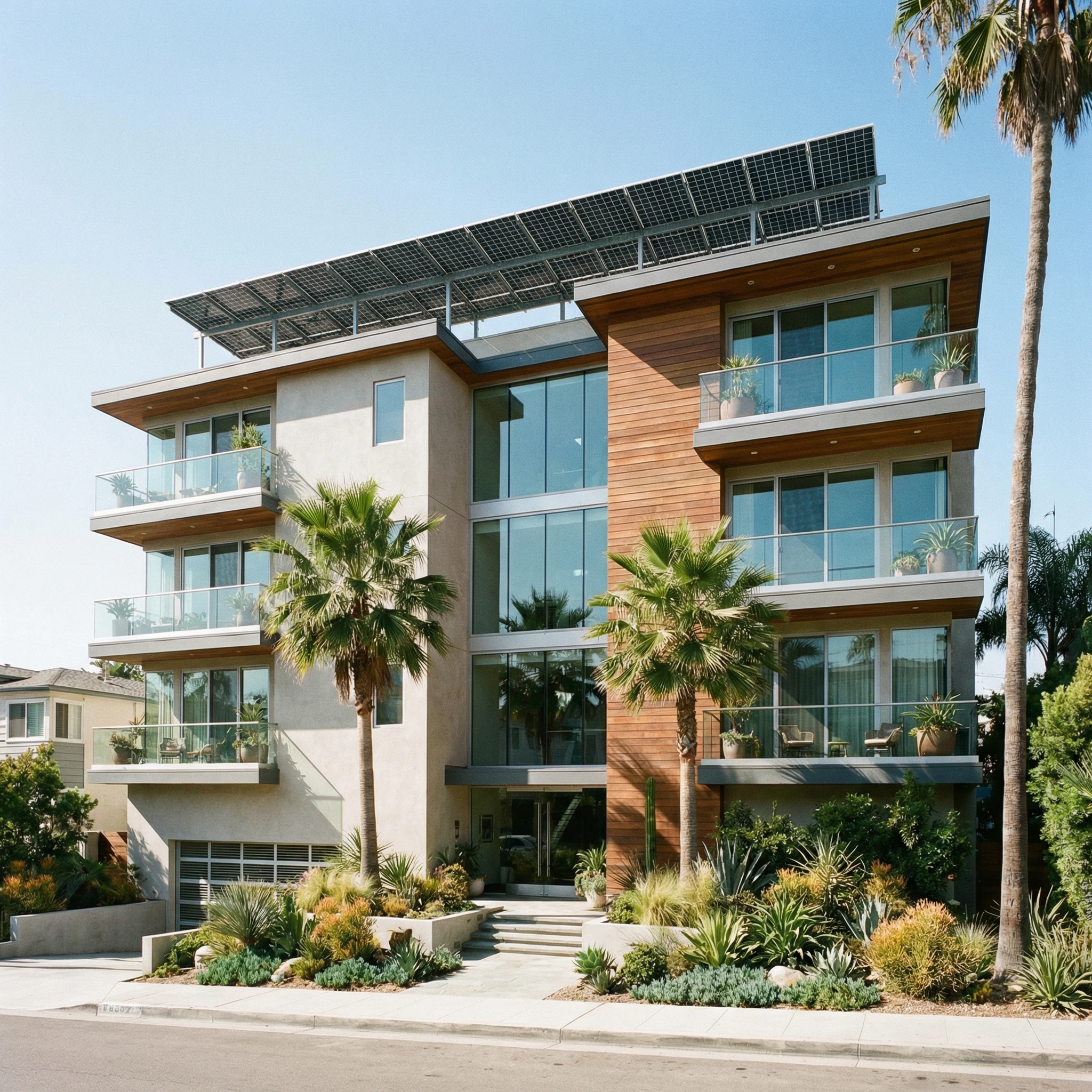
Best Solar Panels for Homes in 2026
Trying to determine the best solar panels for your home is like trying to determine the best car – there’s no single correct answer. Everybody...
Learn More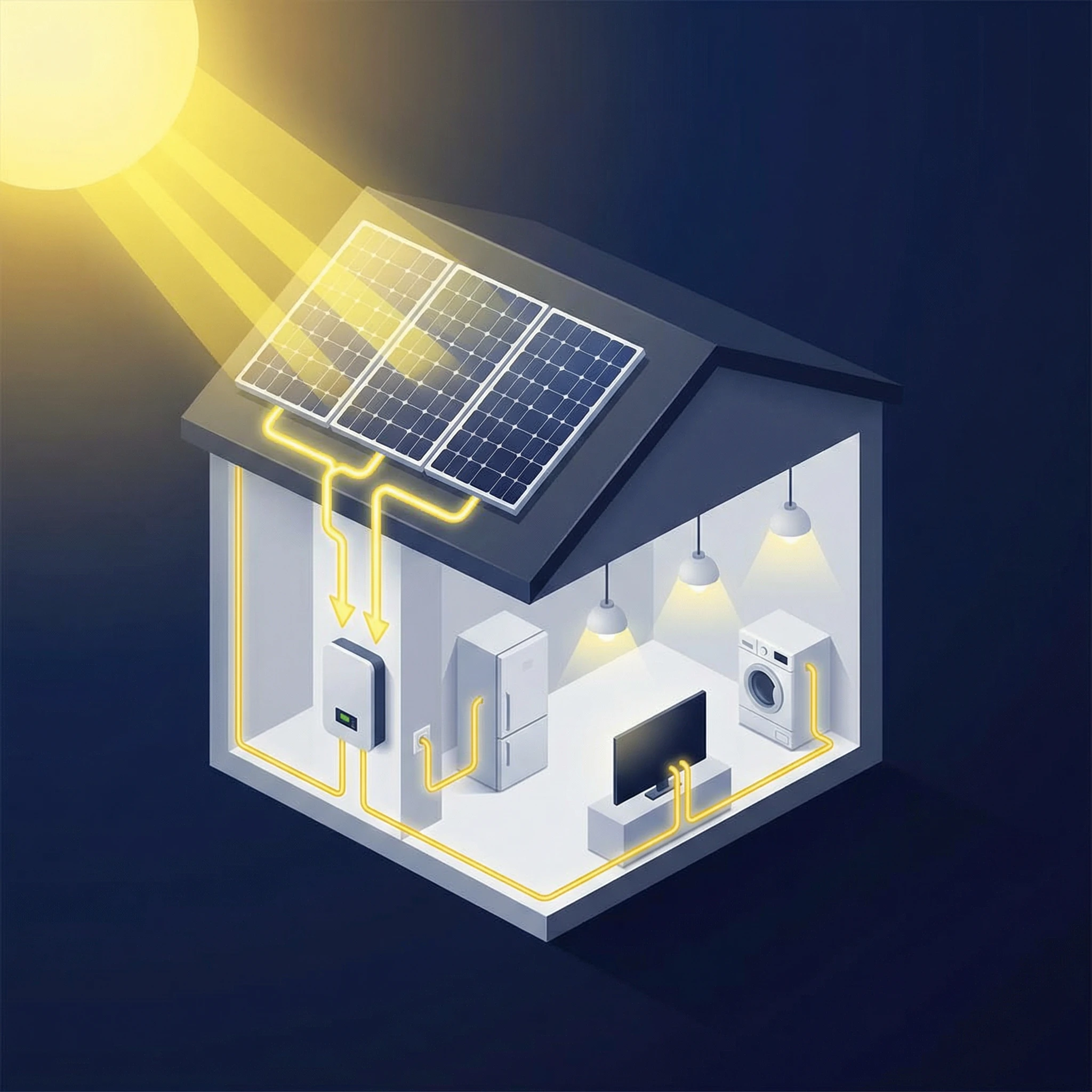
How Does Solar Power Work on a House? Your Questions Answered
How does solar power work? A simple explanation is that solar panels convert sunlight into electricity that can be used immediately or stored in batteries....
Learn More